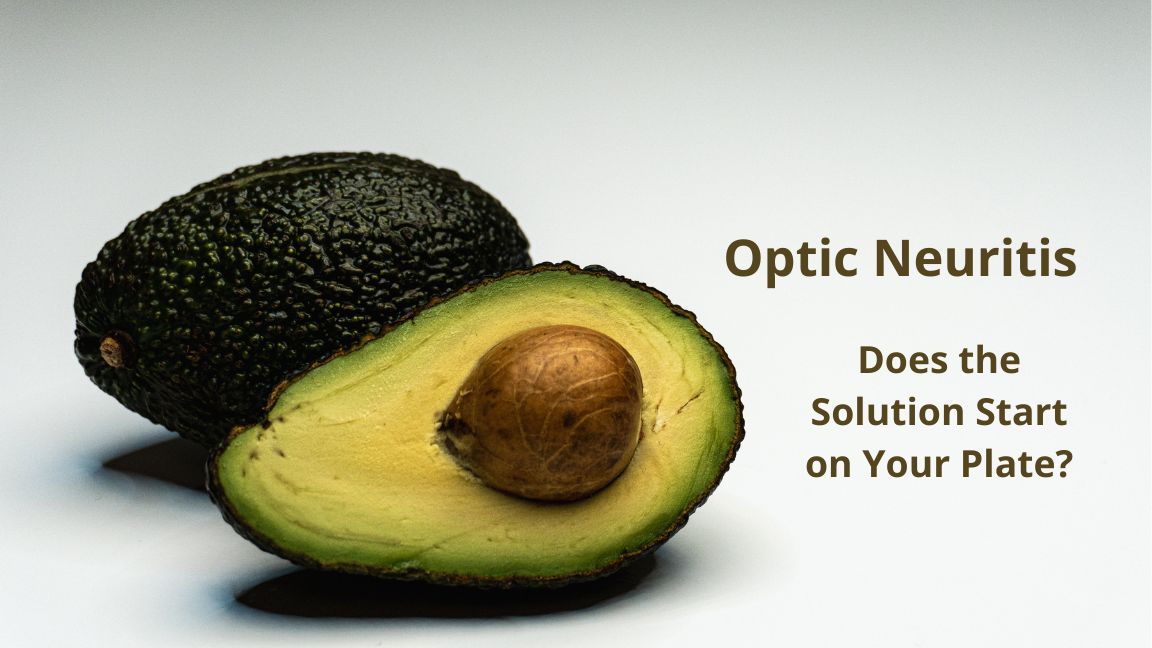
Optic Neuritis: Does the Solution Start on Your Plate? Optic neuritis (inflammation of the optic nerve) is a profound experience. It doesn’t just affect your vision; it creates immense uncertainty. Is it a one-time event, or is there more going on? In this blog, I explain what it is, what the symptoms are, and why my neurologist is now, finally, enthusiastic about my diet.
Optic neuritis is a neurological condition where your optic nerve becomes inflamed. It is considered an immune-mediated disease: a collective term for conditions where your immune system accidentally attacks your own body.
Think of the optic nerve as the “fiber-optic cable” between your eye and your brain. The nerve sends signals so your brain can create images. During inflammation, this cable is damaged, causing the connection to falter. This can lead to vision loss in one or both eyes.
Optic Neuritis, What are the symptoms?
Symptoms usually begin in one eye. While it can occur in both eyes simultaneously, fortunately, that is less common, because losing vision in just one eye is distressing enough.
Do you recognize these symptoms?
- Vision loss: Seeing less sharply or looking through a thick fog.
- White spots: Blind spots in your visual field (not to be confused with visual snow).
- Pain: Especially when moving your eye or a dull ache in the eye socket.
- Color blindness: Colors appear dull; specifically, the color red becomes hard to distinguish.
- Blurred vision: As if there is a greasy film over your eye.
When should you see a doctor?
Contact your GP or a specialist immediately if you recognize these symptoms. Are you not being taken seriously? Insist on a referral to a neurologist or ophthalmologist. I have personally experienced what it’s like to have a doctor dismiss your concerns; you can read my story about that [here].
Can it go away on its own?
Sometimes the inflammation disappears on its own after a few weeks. However, doctors usually opt for treatment (most often a corticosteroid IV). This doesn’t heal the nerve directly, but it ensures the inflammation subsides faster. Because Optic Neuritis is often a symptom of conditions like MS or NMOSD, further investigation is always crucial.
Optic Neuritis: Is there another way?
A few months ago, I was at my neurologist for a check-up. He looked at my scans and remained silent for a moment. He seemed to be having an internal dialogue. Finally, he asked: “Are you still following that anti-inflammatory diet (AIP)?” When I nodded, he looked at the results again. “Definitely keep doing that,” he said, “because it is clearly bringing you a lot of benefit.”
The Power of the AIP Diet
I have followed the Autoimmune Protocol (AIP) for years. By removing foods that trigger inflammation (such as gluten, dairy, and refined sugars), I give my body the rest it needs to recover.
What I find so hopeful is the growing scientific evidence that damaged nerves can indeed recover. Doctors used to say that damage was permanent, but research into neuroplasticity and nutrition shows a different picture.
I remain stable and feel better than ever. Of course, I always say: stay in consultation with your doctor. But dare to take control yourself as well. My doctors didn’t believe in it at first, but now they encourage me.
Ready to support your recovery with food?
Now that you know how much impact nutrition can have on your optic nerves and immune system, you might be wondering: where do I start?
I’ve created a collection of delicious, 100% anti-inflammatory recipes to help you get started on your healing journey without the stress. View my Anti-Inflammatory Recipes here. Let’s turn your kitchen into a place of healing!
- AIP Cassava Gnocchi: Anti-Inflammatory Comfort Food
 AIP Cassava Gnocchi: Anti-Inflammatory Comfort Food This recipe is more than just a meal; it has been a cornerstone of my personal healing journey. Whether … Lees verder
 - AIP Silk & Pear Custard: Anti-Inflammatory
 AIP Silk & Pear Custard: Anti-Inflammatory Sometimes you find a recipe that makes healthy living feel like a luxury. This AIP Silk & Pear Custard … Lees verder
 - AIP Breakfast Pizza Recipe: The best way to start your day
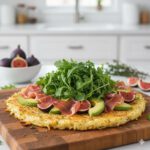 AIP Breakfast Pizza Recipe: The best way to start your day Are you tired of the same old soups, stews, or smoothies for breakfast? I … Lees verder
Are you also spreading your wings when it comes to nutrition? I would love to hear about your experiences in the comments below!
References & Scientific Background
- Research (2022): The Role of Gut Microbiota in Neuromyelitis Optica Spectrum Disorder – An in-depth study on the link between gut flora and the immune response in NMOSD.
- Nerve Repair & Nutrition: Influence of Diet on Neuroinflammation – Scientific evidence of how nutrition can calm inflammation in the central nervous system.
- The Gut-Eye Axis: The Gut-Eye Axis – How your gut health directly impacts your vision and eye health.
- Terry Wahls MD: Repair Damage that Occurs to the Central Nervous System – On recovering from neurological damage through the protocols that inspired the AIP.
Gerelateerde berichten:
 NMOSD: Does the Solution for Your Symptoms Start in Your Gut?
 Life Expectancy with NMO, NMOSD and Devic’s
 5 Facts About Neuromyelitis Optica Spectrum Disorder (NMOSD)
 How fast can NMOSD develop? Symptoms and Recovery
 The Effect of Nutrition on Meningioma (Brain Tumors)
 Living with NMOSD: My Journey to Recovery