
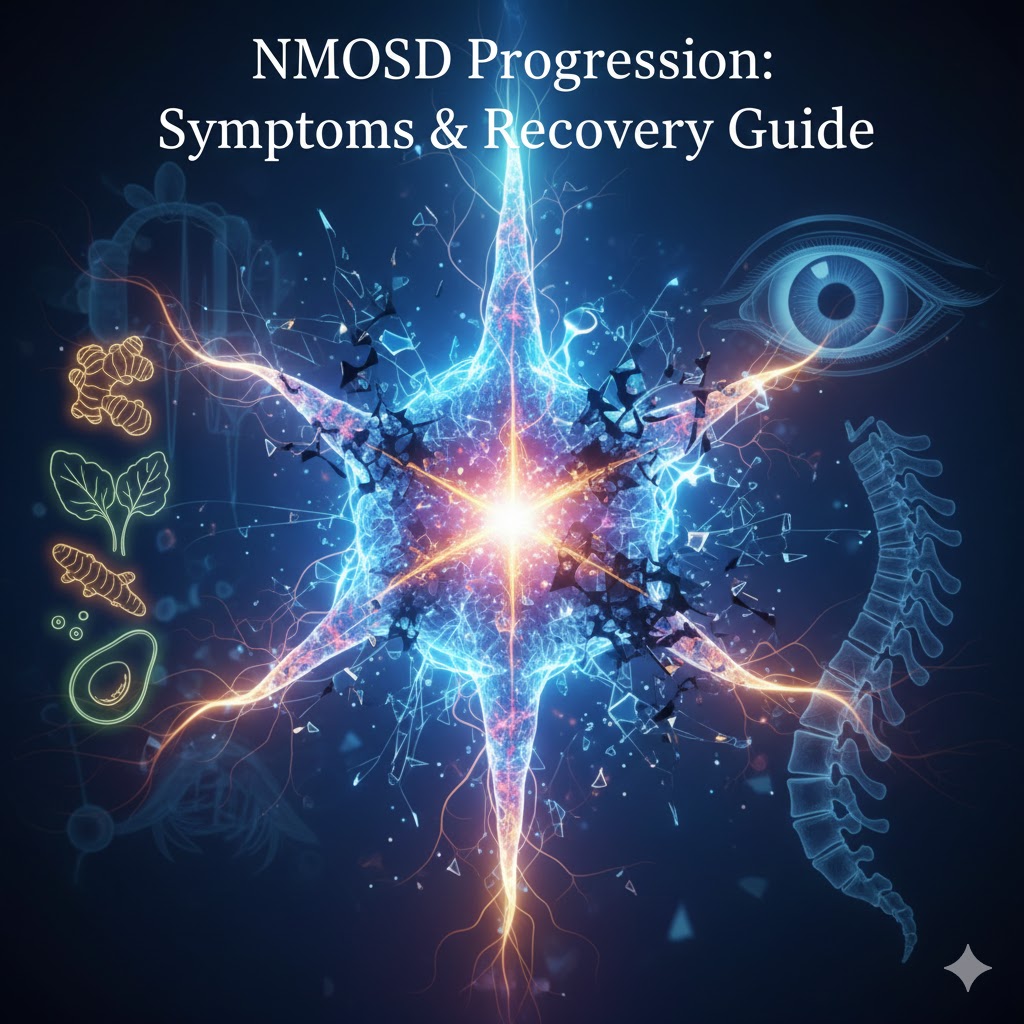
How fast can NMOSD develop? If you have been diagnosed with NMO (Neuromyelitis Optica), also known as Devic’s Disease, you likely have many questions. In this blog, I will answer some of the most common questions about the progression of this rare autoimmune disease, based on research and my personal experience.
As NMOSD is a rare condition, finding reliable information can be challenging. My goal is to help you understand this serious condition better through my personal journey and the facts I’ve gathered.
How fast can NMOSD develop? Symptoms and Recovery
The Speed of NMOSD Progression
How fast can NMO develop? This was one of the first questions I had after my diagnosis. Living with multiple chronic conditions, I know how important clarity is.
Symptoms of Neuromyelitis Optica Spectrum Disorder (NMOSD) can develop very rapidly. In many cases, symptoms appear within a few hours and can worsen significantly throughout the day. This quick progression can lead to sudden difficulties with vision, walking, or bladder control. Usually, symptoms eventually reach a “plateau,” but most patients receive emergency treatment before that happens. Treatment is focused on suppressing the immune system to minimize damage.
What is NMOSD?
NMOSD is a rare autoimmune disease where the immune system attacks the optic nerves and the spinal cord. You might hear it called Devic’s disease, NMO, or NMOSD. (That’s enough medical “Scrabble” words for one paragraph!) 😉
How fast can NMOSD develop? Symptoms and Recovery
Different Types of NMO
In NMOSD, the immune system mistakenly attacks myelin, the protective coating around nerve fibers. This causes inflammation and damage, disrupting the communication between your brain and your body.
There are two main types:
- Monophasic: A single attack that lasts days or weeks and never returns. This form is quite rare.
- Relapsing: The most common form, characterized by recurring attacks followed by periods of remission. Remission can last weeks, months, or even years.
Common Symptoms of NMOSD
Symptoms vary depending on which nerves are affected:
- Optic Neuritis: Inflammation of the optic nerve. Symptoms include eye pain (especially when moving the eye), blurred vision, and loss of color vision (especially the color red).
- Transverse Myelitis: Inflammation of the spinal cord. Symptoms include numbness, weakness, or partial paralysis in the arms and legs, and loss of bladder or bowel control.
How fast can NMOSD develop? Symptoms and Recovery
Managing NMO: My Experience
NMOSD requires immediate medical attention during an attack. Early treatment is crucial to prevent permanent damage. In my case, quick action and high-dose methylprednisolone (IV steroids) helped clear my symptoms within days.
Most patients require long-term treatment with immunosuppressants like Azathioprine (Imuran) or Prednisone to prevent future relapses.
Can a Diet Help with Neuromyelitis Optica?
While many doctors may say diet doesn’t matter, more people with autoimmune diseases are turning to an anti-inflammatory diet. NMOSD causes the immune system to be overactive, and certain foods can help calm that inflammation.
Scientific research suggests that avoiding triggers and eating nutrient-dense foods can be beneficial.
- Calming the Immune System: Omega-3 fatty acids (found in fatty fish, flaxseeds, and walnuts) have anti-inflammatory properties. In contrast, excess Omega-6 and sugar are often linked to increased inflammation.
- The Role of Vitamin D: High levels of Vitamin D are known to help MS patients and may also reduce the risk of NMO attacks.
- Foods to Avoid: Many people find relief by avoiding gluten, processed sugars, and trans fats.
Frequently Asked Questions (FAQ)
How long does it take to recover after an attack? Recovery varies per person. Some recover almost completely, while others may have “residual symptoms” due to myelin damage. The speed of treatment during the attack is a major factor in recovery.
How long do symptoms last? NMOSD attacks are unpredictable. They can feel like a wave—active for a while and then receding. The uncertainty is often the hardest part of living with this disease.
The information shared on this blog is based on my personal experience and general research. I am not a medical professional. Always consult your doctor or a qualified specialist before making changes to your treatment or diet. This content is for informational purposes only.
Sources & Further Reading:
- Johns Hopkins Medicine: Neuromyelitis Optica
- Guthy-Jackson Foundation: Diet and NMO
- NMO UK: Living with NMO
Gerelateerde berichten:
 Life Expectancy with NMO, NMOSD and Devic’s
 NMOSD When Medication Isn’t Enough to Stop the Fire
 5 Facts About Neuromyelitis Optica Spectrum Disorder (NMOSD)
 What is Visual Snow Syndrome? Symptoms, Causes, and the Power of Nutrition
 Living with NMOSD: My Journey to Recovery
 Optic Neuritis Symptoms & Recovery with NMOSD