What is Visual Snow Syndrome? Symptoms, Causes, and the Power of Nutrition
What is Visual Snow Syndrome (VSS)? How do you develop it, and how does it differ from Optic Neuritis? In this blog, I’ll share my personal experience and the latest insights into this neurological condition.
I remember sitting nervously in my neurologist’s office. At that time, I felt like I had seen that office more often than my own living room. Living with Neuromyelitis Optica (NMOSD), I was used to relapses, but this time, the symptoms in my eyes were different. The visual disturbance was so intense I could barely see, yet it didn’t feel like my previous optic nerve inflammations.
When my neurologist mentioned “Visual Snow,” I was baffled. Years ago, hardly anyone talked about it. I was familiar with complex medical terms, but “Visual Snow Syndrome”? That was entirely new to me.
What is Visual Snow Syndrome? Symptoms, Causes, and the Power of Nutrition
What is Visual Snow Syndrome?
Visual Snow is a neurological condition where you see a constant flicker of “snow” or white noise across your entire field of vision, similar to the static on an old analog television.
VSS occurs when the brain—specifically the part that processes visual signals—becomes hyper-excitable. It’s not a problem with your eyes, but a processing error in the brain. Many people with VSS also experience non-visual symptoms, such as:
- Migraines or headaches
- Tinnitus (ringing in the ears)
- Brain fog and fatigue
- Dizziness or vertigo
Two Types of Visual Snow
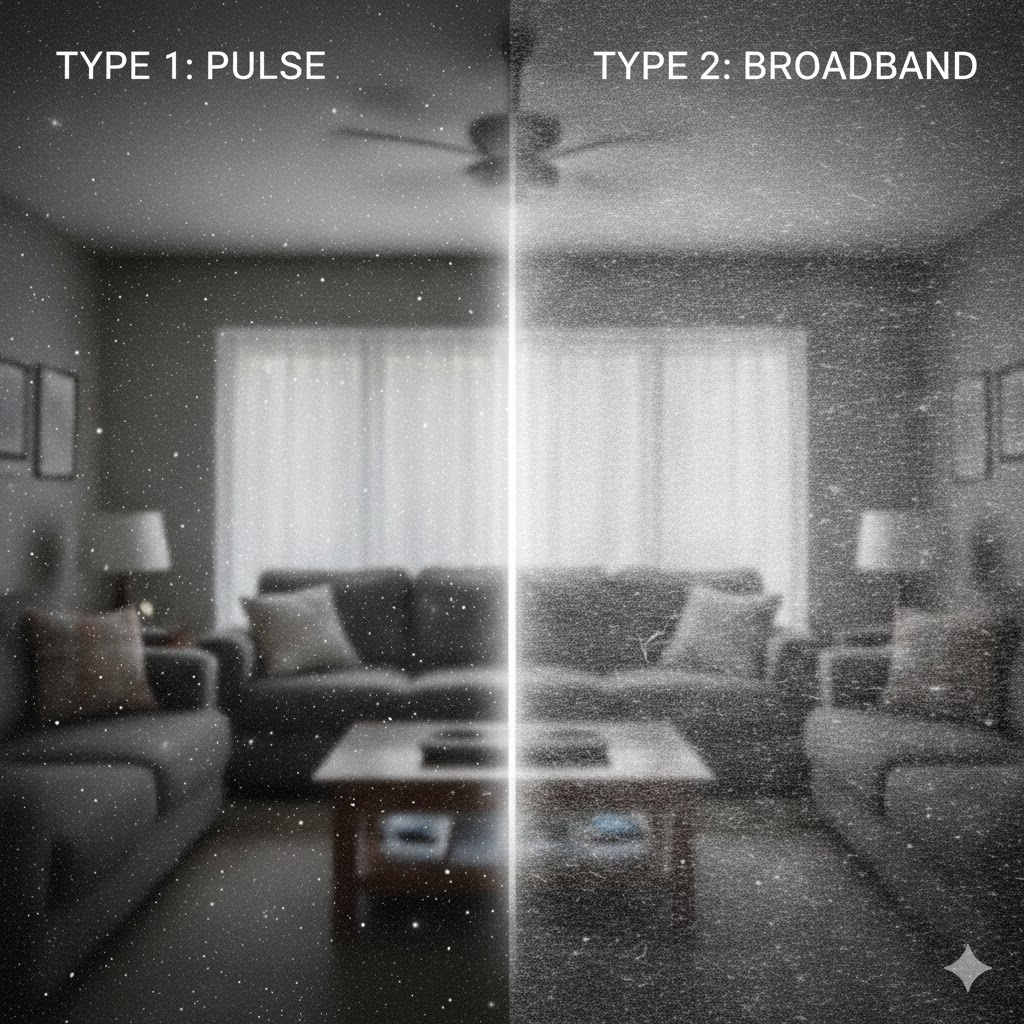
Research often distinguishes between two ways patients perceive this “static”:
- Pulse Type: You see scattered white dots that look like thin, spread-out raindrops.
- Broadband Type: This looks like a thick “snowfall” or heavy static that can significantly obscure your vision and make it difficult to focus.
What is Visual Snow Syndrome? Symptoms, Causes, and the Power of Nutrition
The Cause: An Overactive Brain
While the exact cause is still being studied, the leading theory is thalamocortical dysrhythmia—essentially, the “filter” in your brain is wide open, allowing too much visual information through.
Recent scientific insights highlight the Gut-Brain Axis. We now know that an imbalanced gut microbiome can lead to “neuro-inflammation.” When the gut is inflamed, it sends signals to the brain that can increase the excitability of nerve cells. This is likely why many people with neurological conditions like NMOSD or VSS see improvements when they address their gut health.
Can an Anti-Inflammatory Diet Help?
Can you do something about it? Yes. While there is no “magic pill,” calming the nervous system through nutrition is a powerful tool. A diet with a high inflammatory potential (lots of sugar, processed oils, and additives) can keep your brain in a state of hyper-arousal.
In my experience, and from what I hear from many others, you can actually dial down the intensity of that ‘snow.’ It starts with calming your nervous system through what you eat. I’ve noticed that certain foods act like a volume knob for the static in my vision. For me, and many in our community, these are the most common triggers to watch out for:
- Gluten and Dairy: These were the first things I removed, as they often fuel the fire of internal inflammation.
- Excitotoxins (like MSG or sweeteners): Think of these as ‘brain-overstimulators’ that can make your nerve cells a bit too excited.
- Refined Sugars: These caused spikes in my energy and my symptoms. Keeping your blood sugar steady is so much kinder to your brain.
What is Visual Snow Syndrome? Symptoms, Causes, and the Power of Nutrition
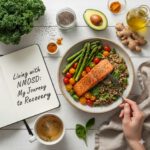
By focusing on a nutrient-dense, anti-inflammatory diet (like the AIP or Paleo approach), you support the repair of your gut lining and, in turn, help calm your brain. I have been following this lifestyle for years, and it has been the key to my remission.
Make the Choice for Your Health
Visual Snow Syndrome can be frightening, but it’s a sign that your body and brain are overstimulated. Improving your gut health is a vital first step toward recovery. You have nothing to lose and everything to gain: your health and clarity of mind.
Medical Disclaimer: I am not a doctor. The information shared in this blog is based on my personal journey and scientific research. Always consult with a qualified healthcare professional before making significant changes to your diet, lifestyle, or medication, especially when dealing with a chronic condition.